01
Calcutta Foundation
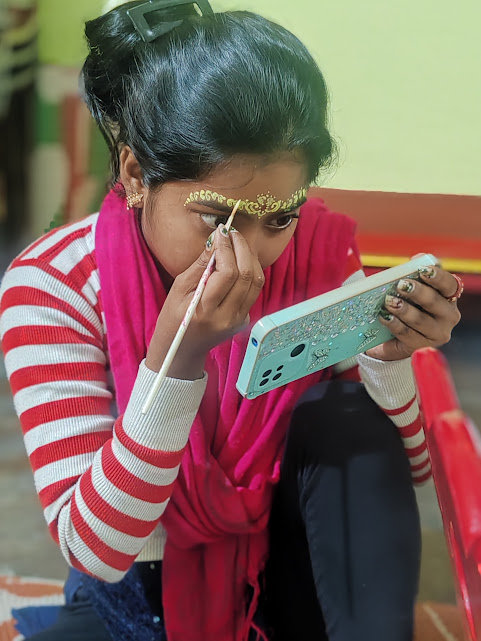
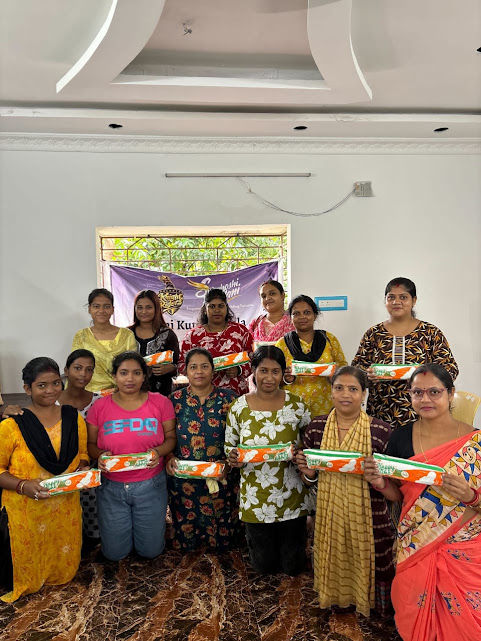
A clean visual overview of the core data points: Direct & indirect beneficiaries,Cumulative income growth, Geographical span, and programme impact.
Communities reached across diverse geographies
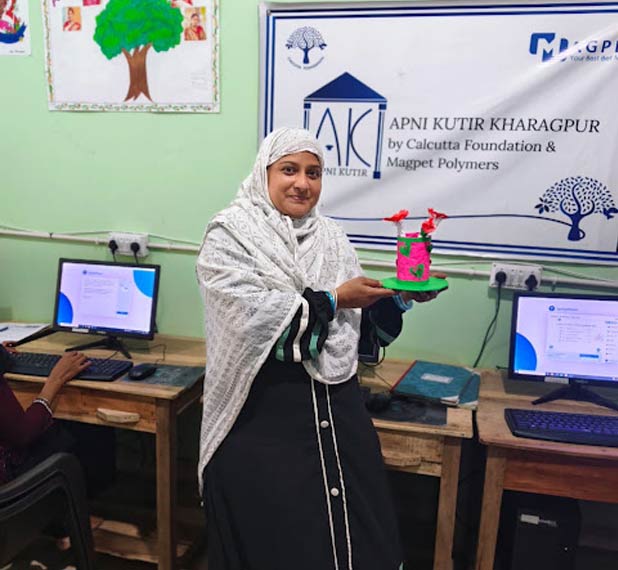
The strongest proof of impact comes from women who move beyond training into leadership, teaching, employment, and long-term participation.
Graduates who once entered as beneficiaries are now joining the central team, supporting programme operations and becoming visible examples of progression.
Trained beautician teachers are now creating a multiplier effect by training more than 150 students and expanding income-ready skills within the community.
Participation in training, events, and enterprise activities gives women greater public visibility and strengthens their role within family and community spaces.
Impact is not only about how much is spent. It is about what that investment makes possible. For the project assessed, an investment of approximately ₹10.1 lakh generated an estimated ₹56.3 lakh in social and economic value.
For every ₹1 invested, an estimated ₹5.60 in social and economic value was created.
This value reflects the outcomes generated through the programme after adjustments for 5% deadweight and 5% attribution, with no displacement or drop-off applied in the calculation.
 Calcutta Foundation
It can look like a woman beginning to earn.
A household gaining another source of income.
Skills becoming economically productive.
Confidence becoming participation.
And an investment continuing to create value beyond the classroom.
SROI helps us translate these changes into a common language of value—not to reduce a woman’s journey to a number, but to understand whether the resources entrusted to us are creating meaningful returns.
Investment: approximately ₹10.1 lakh
Estimated value created: approximately ₹56.3 lakh
SROI: approximately 5.6:1
The calculation from the rounded figures is: ₹56.3 lakh ÷ ₹10.1 lakh = 5.574, which rounds to 5.6.
We measure the distance between where a woman begins and where she goes next.
Impact cannot be understood from attendance sheets alone.
Before a programme begins, we build a picture of a participant’s starting point—her income, access, mobility, confidence, digital readiness, aspirations and the barriers around her.
At the end of the programme, we return to those same questions.
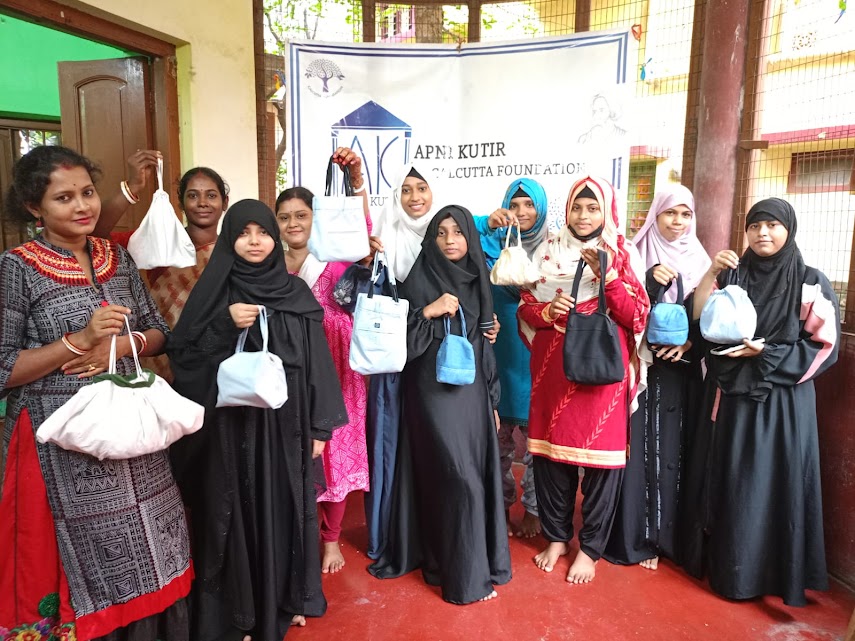
We understand the starting point:
Is she currently earning? What kind of work does she do?
Does she have access to a bank account, smartphone and the internet? Which digital tools can she use independently?
Can she travel independently? Does her family support her working? What makes participation difficult?
How confident does she feel speaking to others, making decisions and navigating unfamiliar situations?
Does she want a job, home-based work, self-employment—or is she still discovering what she wants?
These dimensions are reflected directly in the streamlined baseline assessment.
We return to the woman, not simply the programme.
We look at:
Because good impact measurement should tell us two things:
What changed, and what still needs to change.
When women come back, we know something has stayed.
NOT JUST A MOMENT, A MOVEMENT.
A programme may have a start date and an end date.
A relationship with a community should not.
Across Apni Kutir, women return long after their own classes have ended. Some come back for advanced training. Some attend community events. Some bring a friend, a sister or a daughter. Some share what they have learned. Some return as speakers, mentors, entrepreneurs and examples of what can happen next.
This is one of the most meaningful ways we understand sustainability: when a woman who once came looking for an opportunity returns carrying one for someone else.
They no longer return only as learners.
They return as part of the ecosystem.
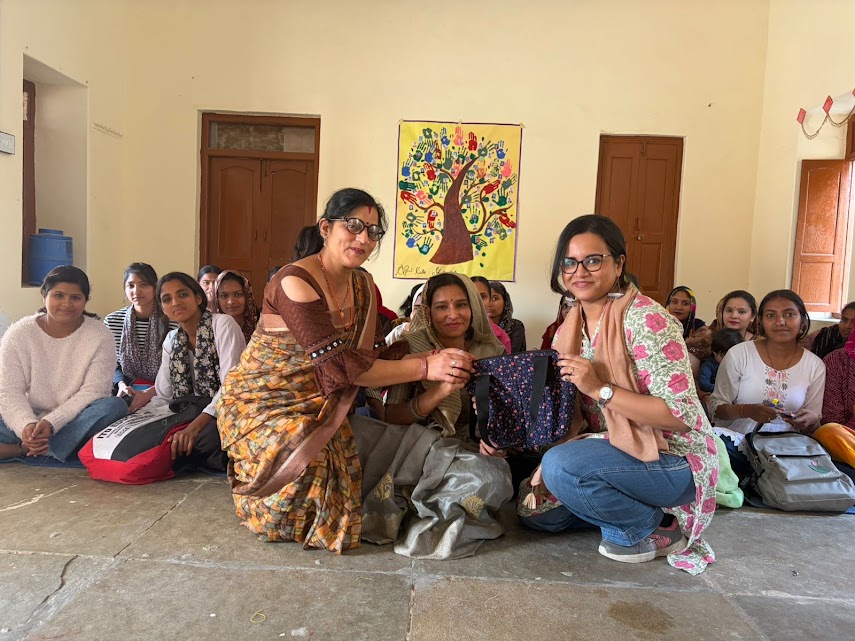
Your programme design explicitly positions Kutirs as community anchors that host alumni-led events and extend engagement beyond enrolled cohorts to alumni, families and the wider community.
Hear It in Their Own Words